Understanding the Best Choices for Your Tires
Deciding when to patch a tire or replace it can be challenging. The safety of your vehicle depends on making the right choice. Some damages are easily repaired, while others require more attention. Knowing what to do in each situation helps ensure you stay safe on the road. This guide will explore how to determine whether you need a simple repair or a full replacement.
Recognizing Repairable Tire Damage
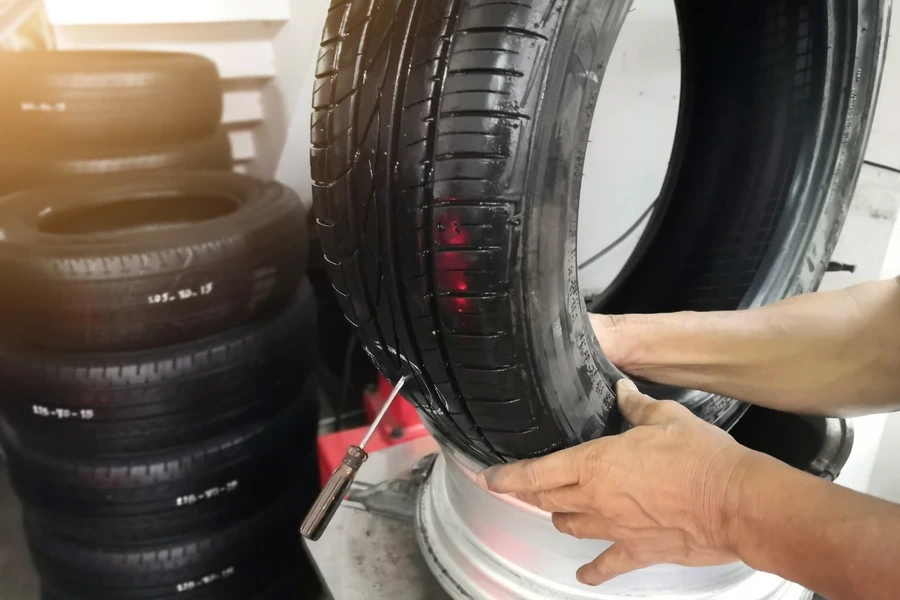
Tire patching is effective for certain types of damage. If your tire has a small puncture, it’s often possible to fix it. Punctures within the tread that measure less than ¼ inch are usually good candidates for repair. However, damage to the sidewall is not suitable for tire patching.
The Process of Tire Patching
When tire patching is appropriate, the process involves cleaning the area around the puncture. Then a rubber patch is applied from inside the tire to seal the hole. The method ensures no air escapes. It’s essential that only professionals handle this to guarantee a safe and long-lasting repair.
Signs That a Tire Needs Replacement
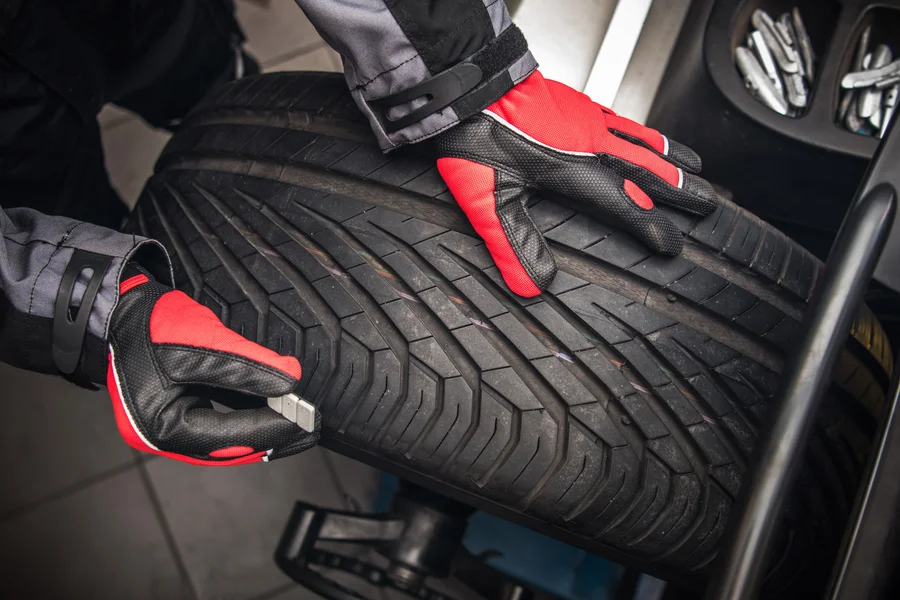
If a tire has extensive damage, replacing it is often necessary. You should consider getting a new tire if there are cuts longer than ¼ inch, multiple punctures close together, or any damage to the sidewall. Additionally, if the tread depth is too low, your vehicle’s grip on the road decreases significantly, which can be dangerous.
Benefits of Choosing Correctly
Making an informed decision between patching and replacing tires offers several advantages:
- Improved safety due to reliable tires
- Enhanced performance with proper tread
- Cost savings by avoiding unnecessary replacements
- Longer lifespan when maintained properly
Steps for Inspecting Your Tires
Regular inspection helps identify potential issues early. Follow these steps:
- Check tread depth using a penny test: Insert a penny into the tread grooves; if you see Lincoln’s head completely, it’s time for a replacement.
- Look for visible signs of wear like bulges or cracks.
- Listen for unusual noises while driving as they might indicate problems.
- Keep track of your tire pressure monthly; under-inflation causes additional wear.
Industry Standards for Tire Maintenance
The National Highway Traffic Safety Administration (NHTSA) recommends checking tires monthly. They advise against repairing sidewall damage and stress the importance of maintaining proper inflation levels. Following these guidelines keeps your tires functioning optimally and extends their life span.
Considering Costs and Value
Patching a tire is generally cheaper than buying a new one, but it is only feasible when the damage is minor. A replacement may cost more upfront, but it could save you money in the long run by preventing accidents caused by faulty tires. Always consider both immediate costs and long-term value.
Make Safe Choices With Your Tires Today
Your safety on the road starts with well-maintained tires. Whether you’re considering tire patching or opting for replacements, make sure to assess all factors involved. Located in Memphis, TN, our skilled team at CeCe 24/7 Mobile Tire Repair provides expert advice tailored to your needs. Call us at (901) 446-8360 to ensure your vehicle remains in top condition.